 Skip to content
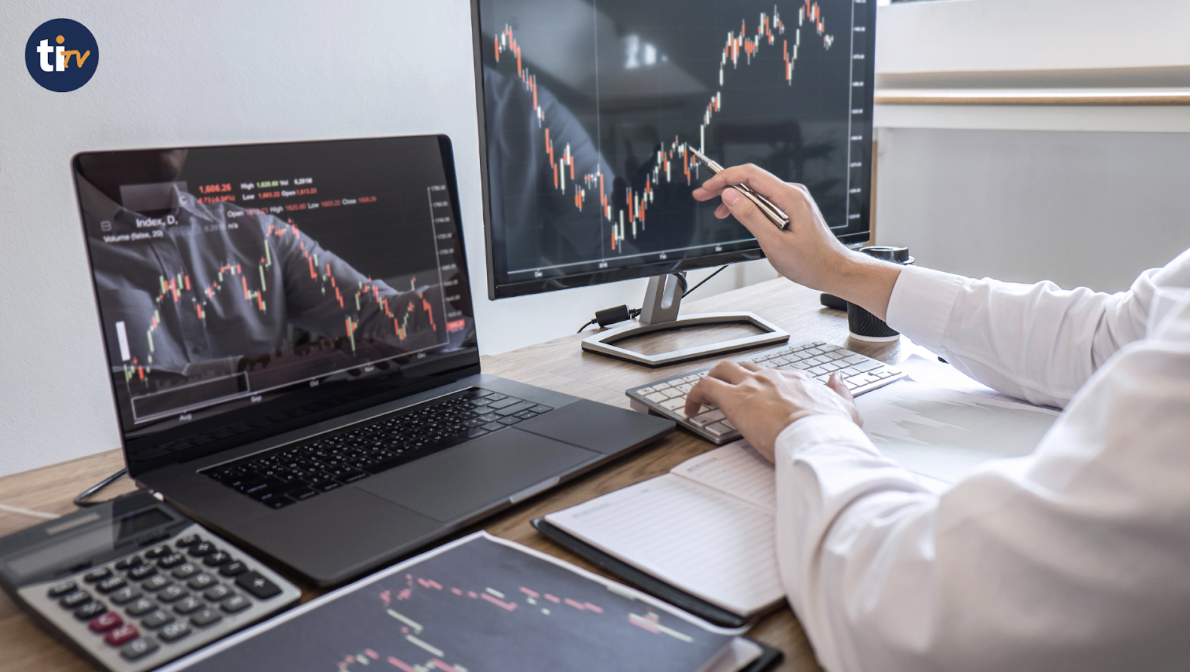
Day trading isn’t just about quick profits or flashing charts; it’s about learning how to stay calm in the middle of market chaos.
But once you understand the core principles behind it, things start to make sense.
This guide walks you through ten essential lessons that every beginner trader should know before jumping in. From risk management to emotional control, these are the habits that turn random trades into consistent growth.
Ready to dive in?
10 Core Principles of Successful Day Trading
If your trades often feel random or inconsistent, you’re not alone. Every successful trader starts by mastering a few core principles that bring structure to chaos. These fundamentals form the foundation of smart, consistent day trading, starting with understanding what day trading really is.
1. Understand What Day Trading Really Is
Day trading involves buying and selling securities on the same trading day, often within minutes or hours. The goal is to capture short-term price movements rather than hold for long-term appreciation.
Unlike investing, day trading focuses on speed, precision, and reaction, not patience. You’ll need a strategy that fits your time, capital, risk tolerance, and an understanding that volatility cuts both ways.
Start by observing the market live for a few weeks before placing trades. This phase builds your intuition for timing and flow, something no course or textbook can fully teach.
2. Build a Solid Education Before You Trade
Knowledge is your first layer of protection. Learn how markets work, what affects price movement, and how to read technical charts.
Check out any simulated trading feature that lets you practice strategies in real-time without risking actual capital. It’s one of the fastest, safest ways to learn how your decisions would perform in live conditions.
Pair this with financial reading from sources like Investopedia and the SEC’s beginner trading resources to build a foundational understanding.
3. Start Small and Stay Consistent
Your first objective shouldn’t be to make a fortune, but to survive long enough to learn. Start with one or two assets and small position sizes. Focus on understanding how they move, how news and volume affect their behavior, and how your strategy performs under different conditions.
Consistency in execution teaches far more than a string of lucky wins. As your comfort grows, scale gradually. Longevity beats luck in trading. Every experienced trader starts by minimizing losses first.
4. Define Your Trading Strategy
A clear plan is necessary to prevent unstable decision-making. Define your entry, exit, stop-loss, and position-sizing rules before you enter a trade. Choose a strategy that fits both your personality and your time commitment. Some traders thrive on quick scalps within minutes; others perform better holding for hours.
Common beginner-friendly setups include:
- Breakouts: Buying when the price moves above resistance, signaling momentum and volume alignment.
- Pullbacks: Entering after a brief dip in an established trend, often at a key moving average or support level.
- Momentum Trades: Riding volume-driven moves early in the day, especially during the first 30–60 minutes when volatility peaks.
Document every trade idea in a journal. The more you record, the faster you’ll identify which strategies actually work for you.
5. Manage Risk Like a Professional
When it comes to risk management, the market rewards discipline over bravery. Set a maximum loss per trade (usually 1–2% of your account) and a daily drawdown limit. Use stop-loss orders to exit automatically when a trade goes wrong.
Many traders also use volatility-based stops, adjusting distance based on Average True Range (ATR). This ensures that stops fit the market’s natural movement instead of random round numbers.
The best traders don’t always move on profits, but on capital preservation. This is how you find your real edge.
6. Use Technology to Your Advantage
Speed and data define modern trading. Tools powered by AI, automation, and pattern recognition can help you react faster and filter quality setups from market noise.
The use of an advanced scanning platform can help identify high-probability trade opportunities using real-time data across multiple timeframes. It’s like having a tireless research assistant monitoring every chart for you.
AI-driven alerts, backtesting, and performance tracking bring precision to your workflow, ensuring every decision is based on evidence rather than speculation.
7. Keep Your Emotions in Check
Emotional control separates professionals from amateurs. Fear, greed, and impatience cause more losses than bad setups ever do.
Establish a routine: start with pre-market prep, trade during your active window, and step away after your plan is done. Don’t chase missed opportunities or revenge-trade after losses.
If your mindset feels unstable, stop trading for the day. Reset. Markets will still be there tomorrow; your focus is what matters most.
8. Adapt to Market Conditions
No strategy works forever. Markets shift, behaviors change, and what worked yesterday might underperform tomorrow. Successful day traders understand that adaptability is not optional but a necessary survival skill.
Stay flexible by monitoring different sectors, volatility levels, and volume trends. Use watchlists that reflect current momentum rather than fixed favorites.
When market volume dries up, trade less. When volatility spikes, tighten stops. Adaptation keeps you profitable through changing conditions.
9. Keep Learning and Upgrading Your Skills
Day trading demands lifelong learning. Follow reputable analysts, read daily market summaries, and study how AI and automation are reshaping modern trading. The goal is to refine your edge, not to find a secret formula.
Explore education centers and webinars that walk through real setups and strategy adjustments in live market contexts. This continual learning loop sharpens both timing and confidence. The more you expose yourself to structured education, the stronger your instincts and pattern recognition become.
10. Think Long-Term: Even as a Day Trader
Ironically, short-term traders who think long-term are the ones who last. The best day traders don’t measure success by a single winning session; they measure it by how their process performs over hundreds of trades. One good trade doesn’t make you consistent, and one bad day doesn’t erase your edge. Longevity comes from focusing on process growth, not daily outcomes.
Day trading is a craft. The more you treat it as a business rather than a hobby, the stronger and steadier your results will be.
Day Trading Tips to Level Up Your Strategy
Stick to a Routine:
Build consistency with structure by using the same time, the same setup, same checklist. Routines reduce emotional swings and build muscle memory for better decisions.
Protect Your Capital:
Avoid overtrading by all means. Preserve your capital for the best setups instead of reacting to every move. Missed trades are better than bad ones.
Keep a Trade Journal:
Write down your entries, exits, and thoughts. Review your trades to identify patterns and eliminate recurring mistakes.
Stay Updated on Market News:
Follow earnings reports, central bank decisions, and economic releases. Even technical traders need to know what drives momentum.
Use a Simulator for Practice:
Simulators help bridge the gap between theory and real trading. Treat them seriously, as if the money were real, and your progress will accelerate.
Conclusion: Day Trading Tips for Building Precision Through Practice
Every trader starts with uncertainty, but structure turns uncertainty into clarity. By mastering these 10 day trading tips, you create a foundation built on education, data, and discipline. The more you systematize your decisions, the more predictable your outcomes become.
Modern trading platforms now provide AI-powered scans, simulated practice, and backtesting tools that help refine execution. Combine that technology with personal discipline, and you’ll have everything you need to grow steadily as a trader.
Related Reads
A Beginner’s Guide to Trading Stocks: Step-by-Step Examples
The Psychology of Paper Trading vs. Real Trading
FAQs on Day Trading Tips for Beginners
1. Is day trading profitable for beginners?
It can be, but rarely at the start. Beginners usually face losses while learning. Profitability comes from mastering risk management, discipline, and a tested strategy, not from chasing fast gains or luck.
2. How do I become a good day trader?
Start by building a solid education, using a simulator to practice, and focusing on one or two setups. Track every trade, manage risk carefully, and keep learning as markets change. Consistency beats excitement.
3. What is a day trading guide?
A day trading guide is a structured resource that explains trading basics, tools, strategies, and risk control. It helps beginners understand market behavior, build discipline, and avoid costly mistakes early on.
4. How do I start day trading?
Learn the fundamentals first, then open a brokerage account with small capital. Practice on a demo platform, define your entry and exit rules, and only trade live once you can follow your plan consistently.
5. Should you start day trading if you are a beginner?
You can, but only with patience and preparation. Begin small, treat it as a skill to master, and never risk money you can’t afford to lose. The goal is learning, not instant profits.
Source link
#Day #Trading #Tips #Beginners #Core #Principles
top altcoins, Ethereum alternatives, new cryptocurrencies
crypto trading bots, automated trading strategies, AI in cryptocurrency
Bitcoin mining, Ethereum mining, best crypto mining hardware
Bitcoin news, cryptocurrency latest news, blockchain updates
best crypto wallets, secure Bitcoin wallets, multi-currency wallets reviews
blockchain technology, fintech innovations, decentralized finance (DeFi)
crypto market analysis, Bitcoin price prediction, Ethereum forecast
cryptocurrency predictions, Bitcoin price forecast, crypto trends 2024, crypto trends 2025
live Bitcoin prices, crypto price updates, Ethereum price report
how to trade cryptocurrency, crypto trading strategies, beginner crypto trading
Welcome to “Cryptocurrency Trading,” your comprehensive destination for the latest news and analysis in the world of **cryptocurrencies** and **currency trading**. We provide rich content focused on **market analysis**, **trading strategies**, and **emerging technologies** that impact the **cryptocurrency market**. Join us to discover the **best investment opportunities** in **Bitcoin**, **Ethereum**, and other leading cryptocurrencies. Our goal is to equip you with the information you need to enhance your trading skills and achieve success in the world of **investment**. Follow us for continuously updated content that supports you in making informed decisions.


